
Kash Patel said there's ‘no credible’ child sex trafficking evidence in the Epstein files — analysis of the release shows he lied
 |
The Epstein files were supposed to land Friday like a reckoning. Instead, they arrived as a masterclass in how to allow just enough disclosure to pretend compliance, and just enough redaction to guarantee the truth stays buried.
By multiple estimates cited by critics, the Justice Department released roughly 1 percent of the total Epstein archive. Of that, 80 to 90 percent of the documents and images were either heavily redacted or already publicly available. In practical terms, the public may have seen less than one-tenth of one percent of what the government actually has. And yet even that sliver was disturbing enough to raise an obvious question: If this is what they’re willing to show us, what are they so desperate to hide?
The answer, critics argue, is written all over the documents themselves — evidence that federal authorities knew about Jeffrey Epstein decades earlier than they ever admitted, and chose to do nothing.
One newly surfaced document confirms that one of Epstein’s earliest victims reported him to both the FBI and the NYPD in 1996, after Epstein allegedly sold nude photographs of her 12- and 16-year-old sisters to friends and then threatened to burn down her house if she told anyone. Authorities were alerted. Nothing happened. Epstein continued trafficking underage girls for years.
According to material referenced in the release, Epstein would allegedly check girls’ IDs to ensure they were underage, a detail that obliterates any attempt to frame his crimes as misunderstandings or age confusion.
The images included in the release only deepen the horror. Among them are photographs Epstein reportedly kept framed in his home showing him with children aboard his private jet, infamously dubbed the “Lolita Express,” a name itself lifted from a novel Epstein was reportedly obsessed with about a man sexually fixated on a 12-year-old girl. Victims say Epstein wrote quotes from the book on them and kept scrapbooks filled with photos and commentary about how “little” they looked.
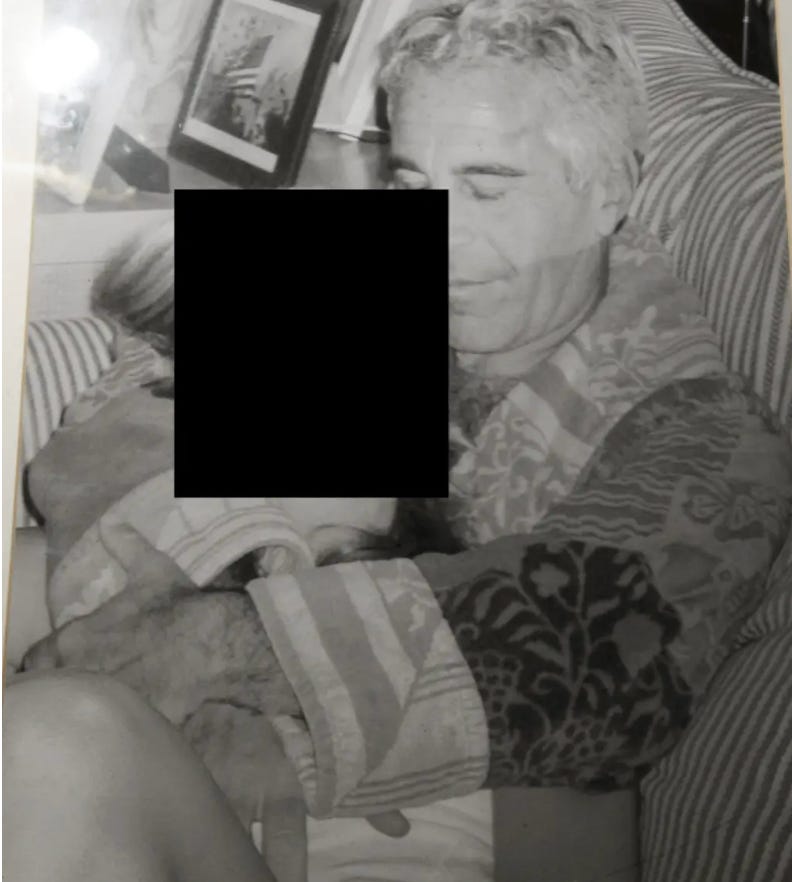 |
Photos from the latest batch of documents appears to show Epstein being affectionate with very young girls.
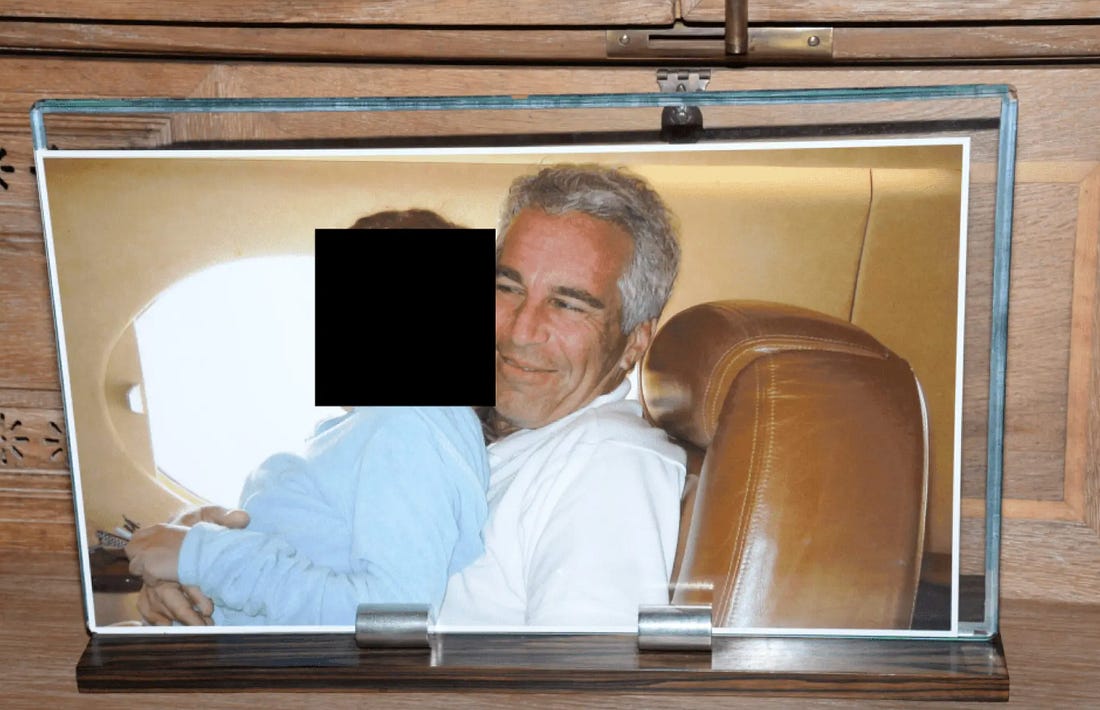 |
The photos showing Epstein with young kids were framed and displayed on a wooden bookshelf at his Little St. James mansion in the U.S. Virgin Islands.
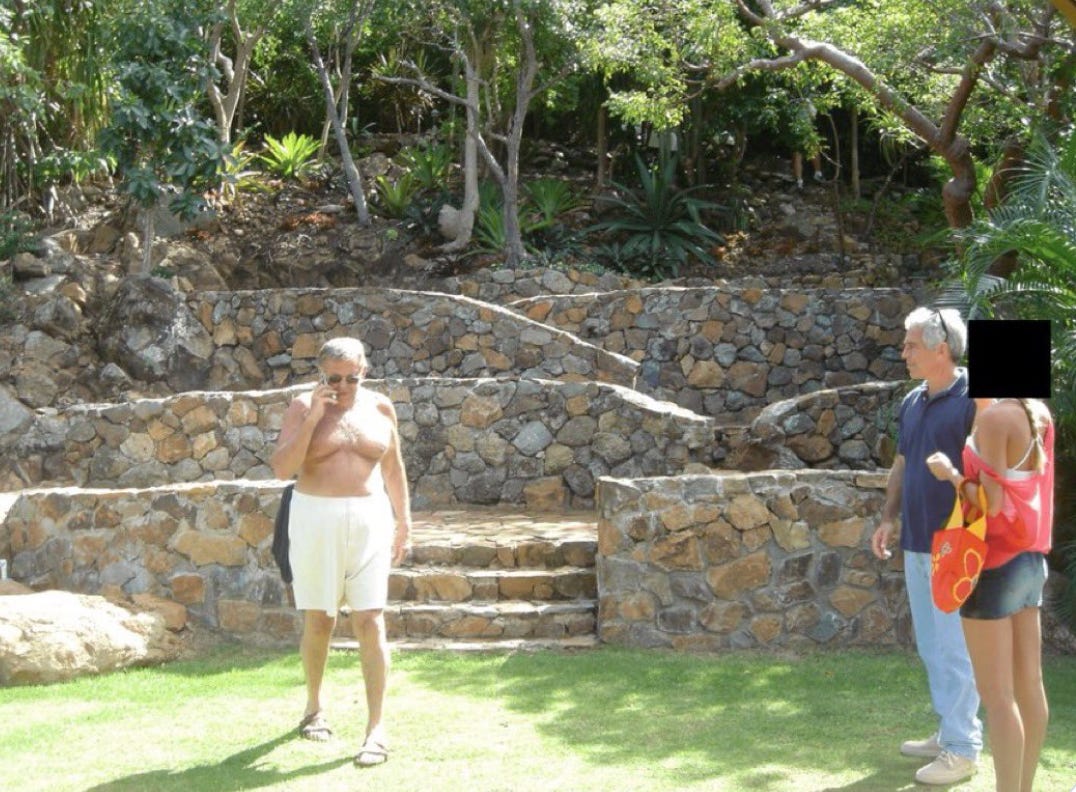
There is also an image, released with minimal redaction, appearing to show Epstein delivering a young girl to meet an older, shirtless man. Another document, released by the House Oversight Committee, includes text messages discussing “sending over girls,” their prices, and their physical measurements, including height and weight. The language, critics argue, unmistakably resembles trafficking.
 |
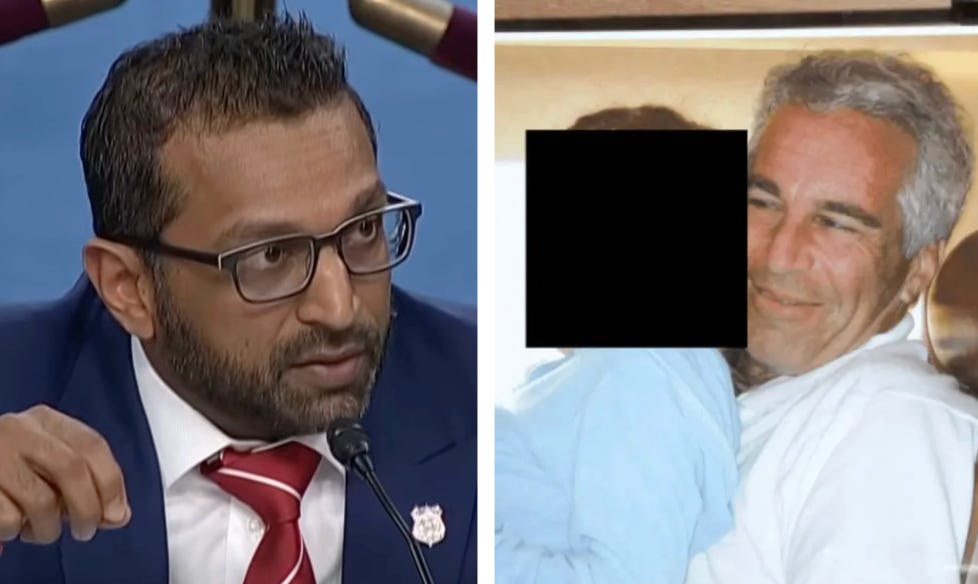
And yet, despite all of this, Kash Patel, now director of the FBI, has insisted there is “no credible evidence” Epstein trafficked girls to others:
“There’s no credible information. None. If there were, I would bring the case yesterday that he trafficked to other individuals.”
That statement stands in jarring contrast to Patel’s own past rhetoric when he was outside the FBI living life as a MAGA podcaster, loudly demanding the full release of the Epstein files and prosecution of Epstein’s clients. Once inside the institution, critics say, that fire mysteriously went out.
The same credibility collapse has followed much of the administration’s response. After a DOJ memo concluded there were effectively “no files,” and after Donald Trump publicly dismissed the Epstein story as a “hoax,” outrage intensified. The administration reportedly pivoted to damage control, allegedly reaching out to high-profile influencers to slow the conversation.
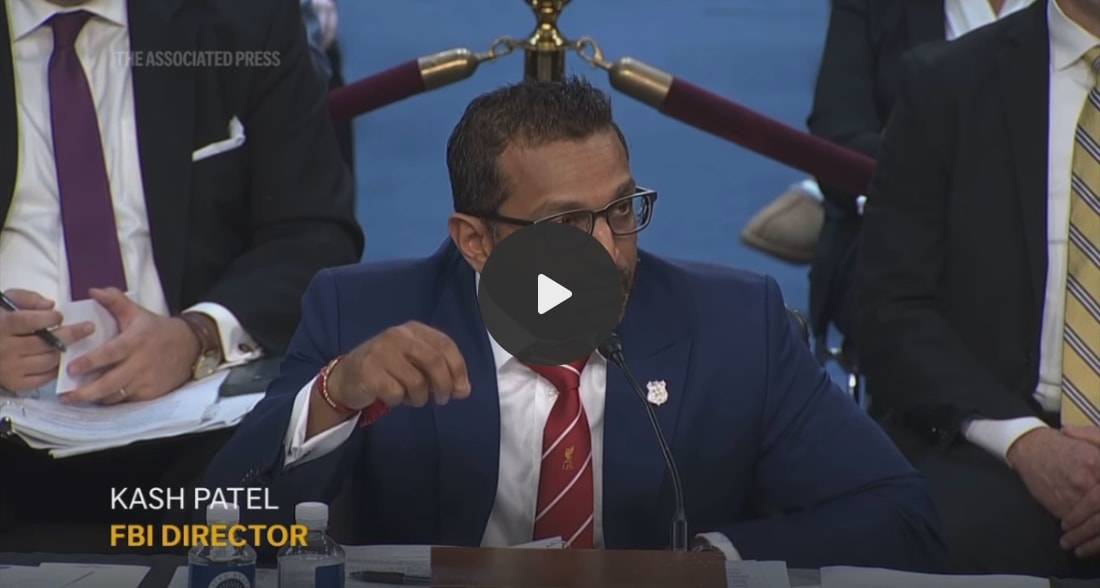
Patel is grilled by Louisiana GOP Sen. John Kennedy back in September. During the hearing, Patel said there’s “no credible information” that Epstein trafficked young girls.
Conspiracy theorist Alex Jones publicly claimed Trump’s team contacted him asking what it would take to get him to stop talking about the files. Comedian Tim Dillon reportedly received not just a call, but a private dinner with Vice President JD Vance.
Dillon later recounted the message he was given:
“I had dinner last week with the vice president. He told me they do not have videos of any powerful person in a compromising position.”
The release also included photographs of Bill Clinton, which many observers view as strategic — a calculated attempt to placate Trump’s base and shift outrage toward Democrats. Even the deputy press secretary amplified one such image, reacting online with “Oh my,” despite the photo having circulated publicly for years.
The move backfired. Rather than quieting demands, it fueled accusations that the DOJ was releasing breadcrumbs to avoid disclosing what remains sealed.
Other celebrities appearing in the files include Michael Jackson, David Copperfield, David Blaine, Chris Tucker, Mick Jagger, and Kevin Spacey. Spacey has previously acknowledged being on Epstein’s jet and described concerns about young girls on board:
“There were young girls on those flights.”
Critics are careful to note that appearing in a photograph with Epstein does not itself prove criminal wrongdoing. But they also argue that the entertainment industry’s history of shielding abusers makes skepticism warranted. Figures like Roman Polanski, convicted of drugging and raping a 13-year-old, continued to receive industry support for decades. Harvey Weinstein, another Epstein associate, was embraced long after his conduct was an open secret.
One resurfaced example that continues to horrify critics is Quentin Tarantino defending Polanski on Howard Stern’s show:
“I don’t believe it’s rape… Not for these 13-year-old party girls,” Tarantino said.
At the time, Tarantino faced little backlash. Today, that clip plays less like controversy and more like evidence of how normalized predation once was among the powerful.
Which brings the story back to the present. After files quietly disappeared from the DOJ website, some reportedly featuring Trump, calls for the impeachment of Attorney General Pam Bondi intensified, including from Trump supporters.
When pressed on why the statutory deadline was missed, DOJ officials claimed they were protecting victims:
“We are going through a very methodical process… making sure that victim’s names and any of their information from victims is protected and redacted,” Deputy Attorney General Todd Blanche said Sunday.
But here’s the problem with that claim: the people being protected don’t look like victims.
The more the DOJ delays, deletes, and deflects, the worse it looks. Each partial release raises pressure rather than relieving it. And each attempt to move the public on only underscores the fear that the full truth, if ever released, would be politically catastrophic.
The Epstein files were supposed to close this chapter. Instead, they’ve exposed something far more corrosive: a system that still believes it can outwait accountability.
