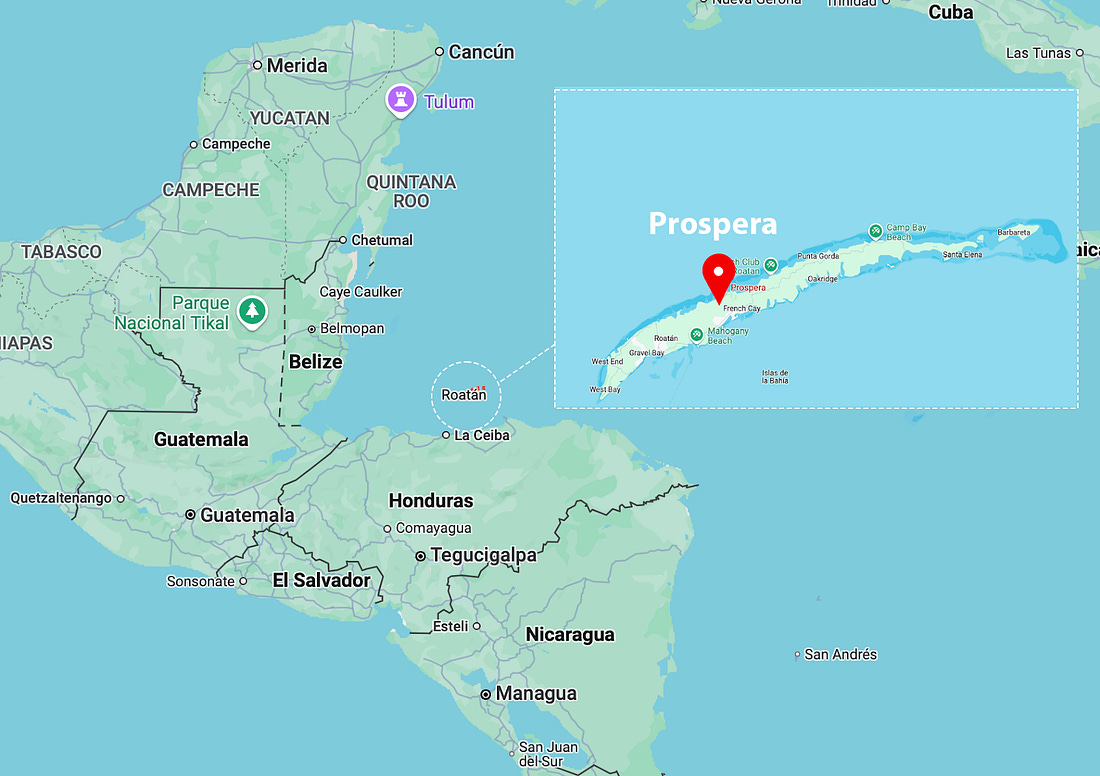
Trump's Secret Pardon-for-Profit RacketPeter Thiel, Marc Andreessen and a bit of the backstory of the shameful pardon of the former Honduran presidentPardons go back to ancient Mesopotamia, 4,000 years ago, and they haven’t improved with age. I’m currently writing a book about Julius Caesar, who employed “clementia” — clemency — extensively in the closing days of the Roman Republic. After the Civil War, he pardoned two guys named Brutus and Cassius, and we know how that worked out. Caesar pardoned enemies to get them to his side. I’d be shocked if Trump has ever read anything about Caesar, but he’s taking a leaf from him. Witness Trump’s anger at Rep. Henry Cuellar, indicted on federal bribery charges, when Cuellar wouldn’t switch parties. “Such a lack of LOYALTY,” Trump posted, suggesting that the congressman didn’t seem to understand that he was expected to uphold his end of a blatantly corrupt deal aimed at holding the GOP’s narrow House majority, which may be imperiled even before the midterms. In the (good) old days, that kind of quid pro quo would have landed Trump in hot water, but it is almost quaint in the context of the 1600 pardons Trump has granted since 2017, including his appalling decision to free the convicted January 6 insurrectionists. More than a dozen of these gentlemen have since been convicted for offenses ranging from homicide to child sexual abuse. The blood of the victims of those crimes is on the hands of the Orange Monster. Those pardons — as sickening as they seem — were mostly about owning the libs; Trump’s more recent pardons are about owning a yacht or an estate or an island, thanks to a huge payday for someone that we can’t see. With Trump, it’s always about the Benjamins. But some form of accountability is coming. House Democrats are likely to take power about a year from now. They’ll hold hearings that at least try to get to the bottom of Trump’s pardons-for-profit crime syndicate. We can expect to see scorching oversight hearings that explores Trump’s pardon of Binance founder Changpeng Zhao, who had pleaded guilty to facilitating money laundering on the crypto exchange. Families of October 7 victims are suing Binance over use of this money by Hamas. Then there’s Trump’s commutation of the seven-year sentence of former private equity CEO David Gentile, who served only four days in prison before Trump sprung him. I heard from a good source that the House might well subpoena Peter Thiel, Marc Andreessen, and Balaji Srinivasan of Pronomos Capital to hearings about the case of “JOH”—John Orlando Hernandez, the former president of Honduras, whom Trump pardoned this week. There’s nothing that can be done to send Hernandez back to jail, where he served less than four years of a 45-year sentence on charges of aiding drug traffickers. The pardon power is in the U.S. Constitution and not subject to reversal. But think about where we are now. Trump’s policy in Latin America is cognitive dissonance on steroids — pardoning drug traffickers from one country (Honduras) while waging war on drug traffickers from another (Venezuela). A little background on the Hernandez brothers at the center of this scandal. The story starts not with JOH’s brother, Tony, who took a million dollar bribe from “El Chapo,” ordered assassinations, alerted drug traffickers to U.S.-led nighttime raid, and pumped drug money into his brother’s presidential campaign, as prosecutor Emil Bove convincingly explained in his closing argument (Yes, that Emil Bove, who defended Trump in the Stormy Daniels trial, wrecked a strong case against New York Mayor Eric Adams for crass political reasons and got a federal judgeship out of it.). In truth, the greed at the heart of this case begins in 2013 with the establishment of Prospera ZEDE, a charter city on the island of Roatán, Honduras.
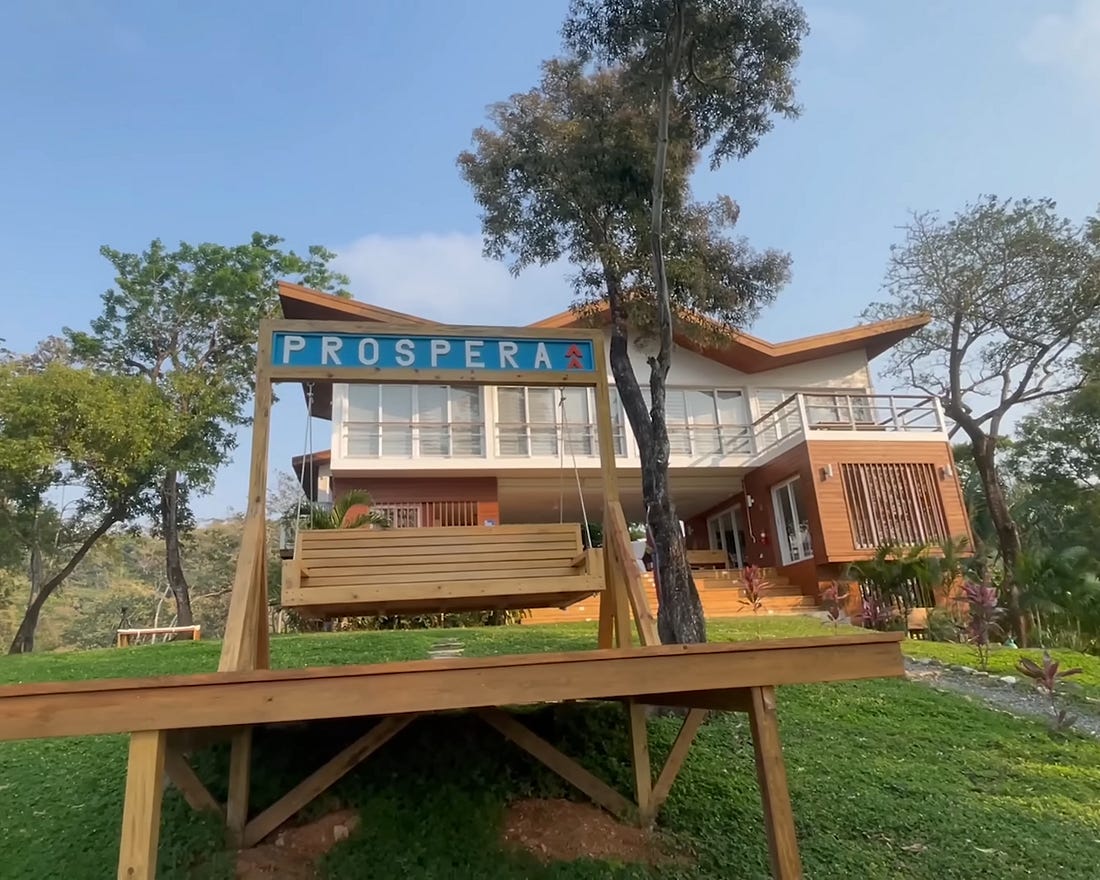
What’s a charter city? It’s a libertarian nirvana — a free-enterprise zone that operates under its own legal and regulatory system, insulated from nearly all national oversight. Prospera is a small, unfettered, autonomous capitalist kingdom that’s free to regulate itself—or not— as it pleases. Who’s behind it? Ridiculously wealthy and arrogant broligarchs who are using cryptocurrency and crony capitalism to write their own rules while steamrolling anyone who stands in their way. You almost certainly know something about Andreessen, a true internet entrepreneur (Netscape, anyone?) who put his once-liberal principles in a blind trust and went over to the Trumpian dark side, and Thiel, the PayPal and Palantir co-founder who is J.D. Vance’s mentor and once said, “I no longer believe that freedom and democracy are compatible.” Balaji Srinivasan, the former chief technology officer of Coinbase, is less well-known but possibly even more dangerous. Srinivasan, who believes that the tech industry should move abroad, wrote in an email to the self-described monarchist Curtis Yarvin, “If things get hot, it may be interesting to sic the Dark Enlightenment [Yarvin] audience on a single vulnerable hostile reporter to dox them and turn them inside out with hostile reporting sent to their advertisers/friends/contacts.”
As you might imagine, these crypto-colonialists are not exactly popular in Honduras, where the enabling law for Prospera ZEDE (one of several charter cities) was repealed in 2022. For years, the company’s biggest Honduran champion was none other than John Orlando Hernandez. Fast forward to November 30, when Honduran voters went to the polls in an election where Prospera was a top issue. Election authorities cited incidents of “manipulation and sabotage” and the results are not yet final, though former Tegucigalpa Mayor Nasry “Tito” Asfura of the conservative National Party —JOH’s party—holds a narrow lead. Trump, who backed Asfura, told Politico he pardoned Hernandez because his conviction was “an Obama-Biden-type setup.” He said he had been “told” this by someone. That turned out to be Roger Stone, whom Trump pardoned in 2020. Stone wrote that pardoning former president Hernandez would energize the National Party before the election, which he cast on his Substack as an ideological showdown between leftists and Trump’s authoritarian friends in Latin America, Javier Milei of Argentina and Nayib Bukele of El Salvador, who are strong backers of Prospera. Sure, Trump likes libertarian thinking — on everything except the libertarians’ core issues of open immigration and reproductive rights. But this struggle isn’t blue vs. red; it’s green, as in money, not environmentalism. Prospera is a more opaque Cayman Islands — a place for Trump, his family, and his thuggish friends to feed at the trough without anyone knowing. It’s no coincidence that this is all taking place in the Western Hemisphere. Trump, Xi, and Putin are carving up the world into spheres of influence, where strongmen can have their way in their own neighborhoods. The headlines in the stories about last week’s new national security doctrine focused on U.S. warnings of “civilizational erasure” if Europe didn’t control immigration. But the real takeaway is that the U.S. doesn’t even see China and Russia as adversaries anymore; they are barely mentioned. That’s how much their might-makes-right attitude has seeped into our own government. The United States once stood for freedom. Now it stands for freedom to steal.   |